For years the lake at the edge of town was a polite word for a dumping ground — choked with silt, ringed with waste, written off by everyone who passed it. The idea that it could hold clean water again sounded like nostalgia, not a plan.
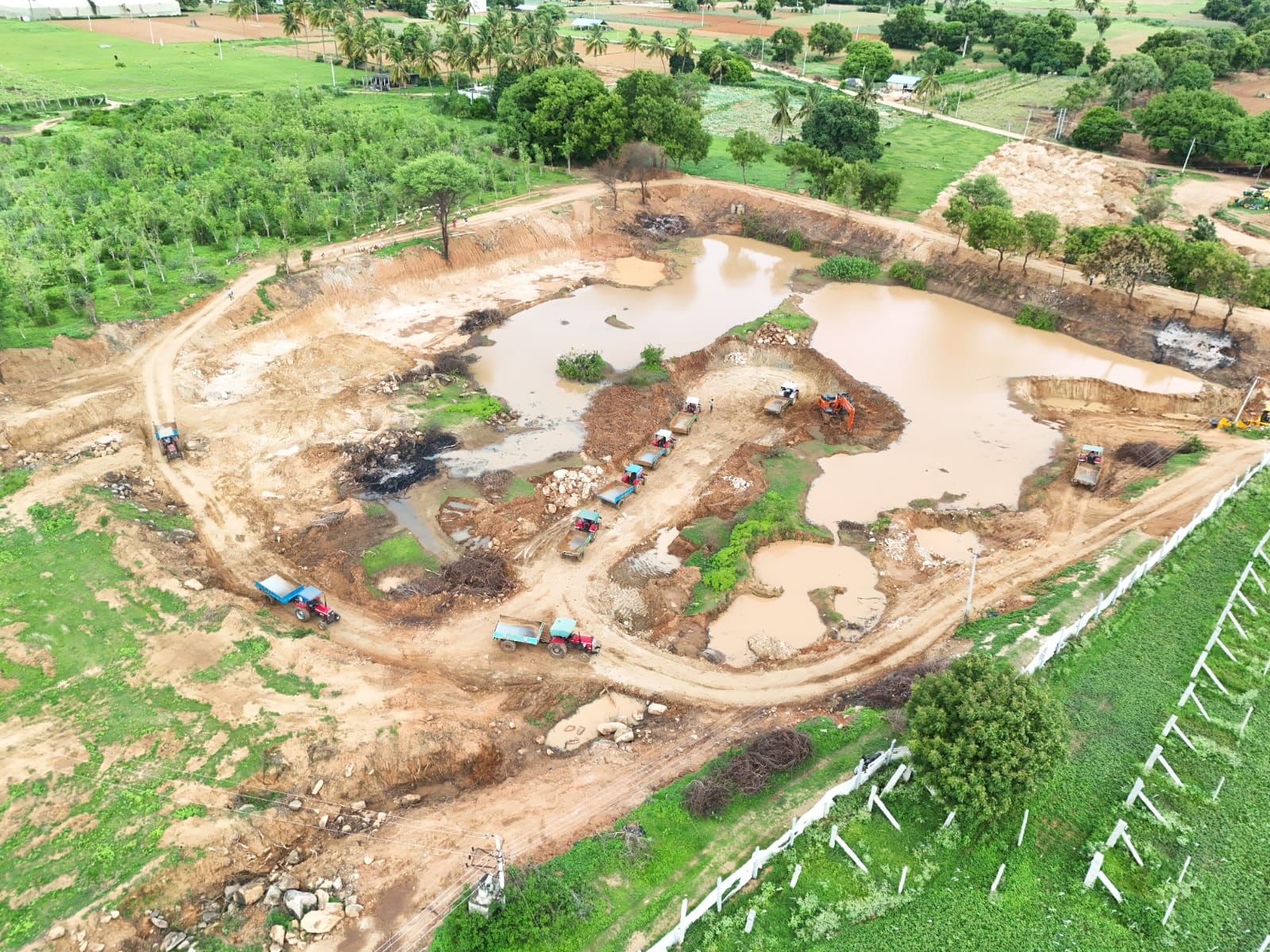
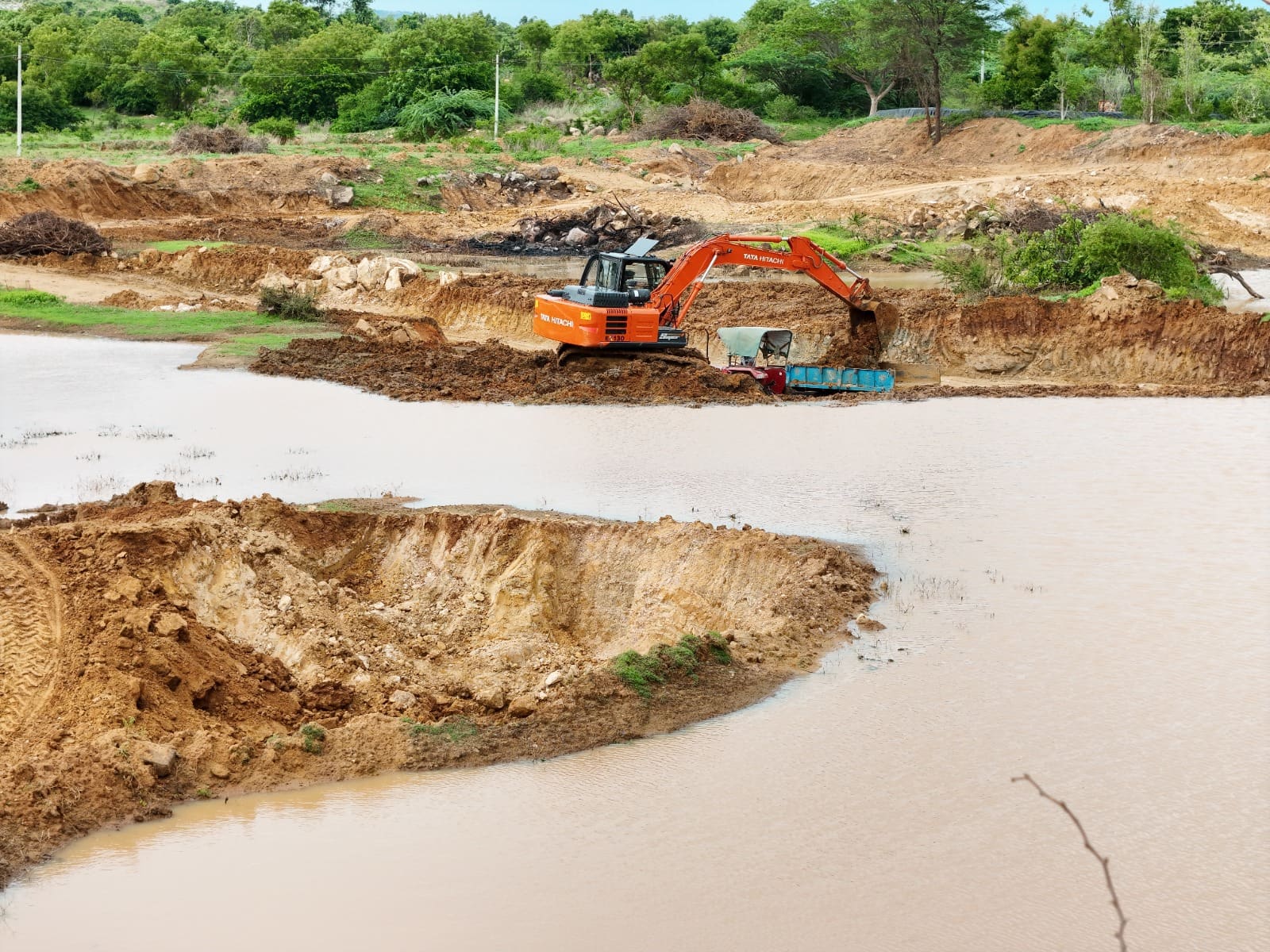
Reviving it was not a single dramatic act. It was desilting, load by load, until the basin could breathe. It was fencing, so the recovery had a chance to hold. And it was replanting the banks with native species that belong to this soil and this rain.
“A dead lake is not proof that water bodies cannot be saved. It is proof that no one tried long enough.”
This is the same patience that clears a coastline, turned inland. Across more than twenty such water bodies, the method has not changed: do the unglamorous work, track it honestly, and hand the result to a community willing to defend it.
Species
Revived
Air
Resilience
Key takeaways
- Restoration is desilt, fence, then replant
- Native species hold the revival together
- A community that owns a lake protects it
Water returned to the lake, and with it the birds, the washermen, the evening walkers. A place a town had given up on is, quietly, alive again — because someone refused to accept that it was gone.