
Why a regular blood check-up is useful
Health · 4 min
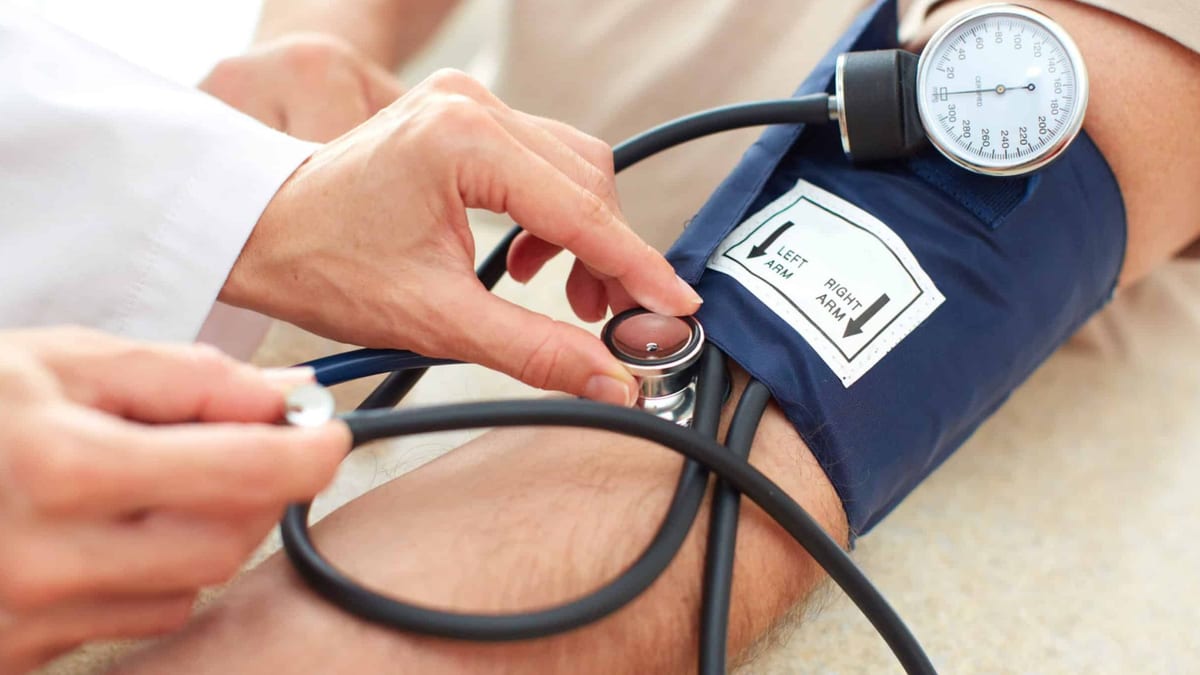
A simple test can catch anaemia, diabetes and deficiencies early — here's why every family should make it a habit.
Check out here
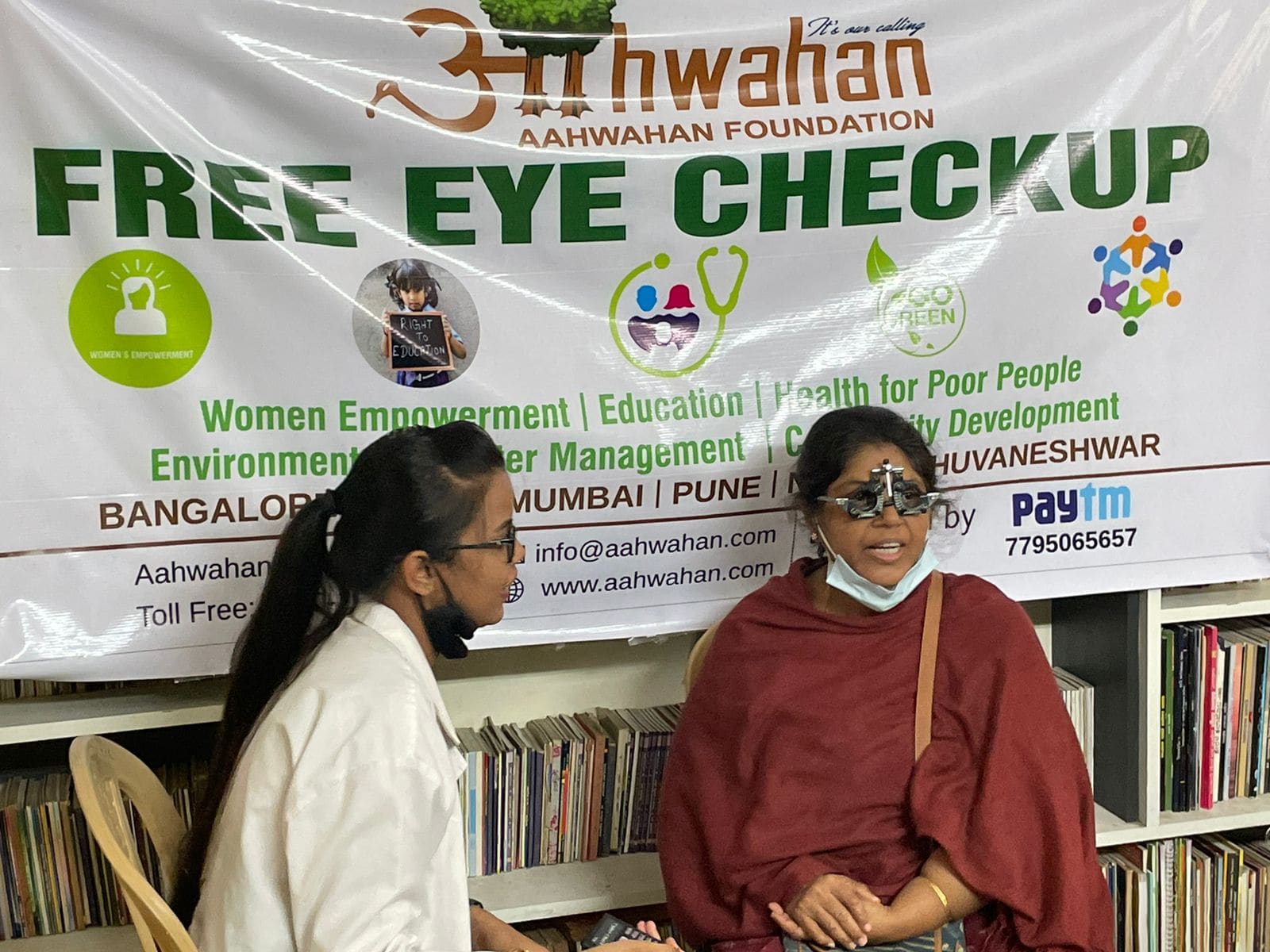
Nearly 75% of India's healthcare infrastructure sits where 27% of its people live. Everything here exists to close that gap.
8.5 Lakh+Beneficiaries across India
 01
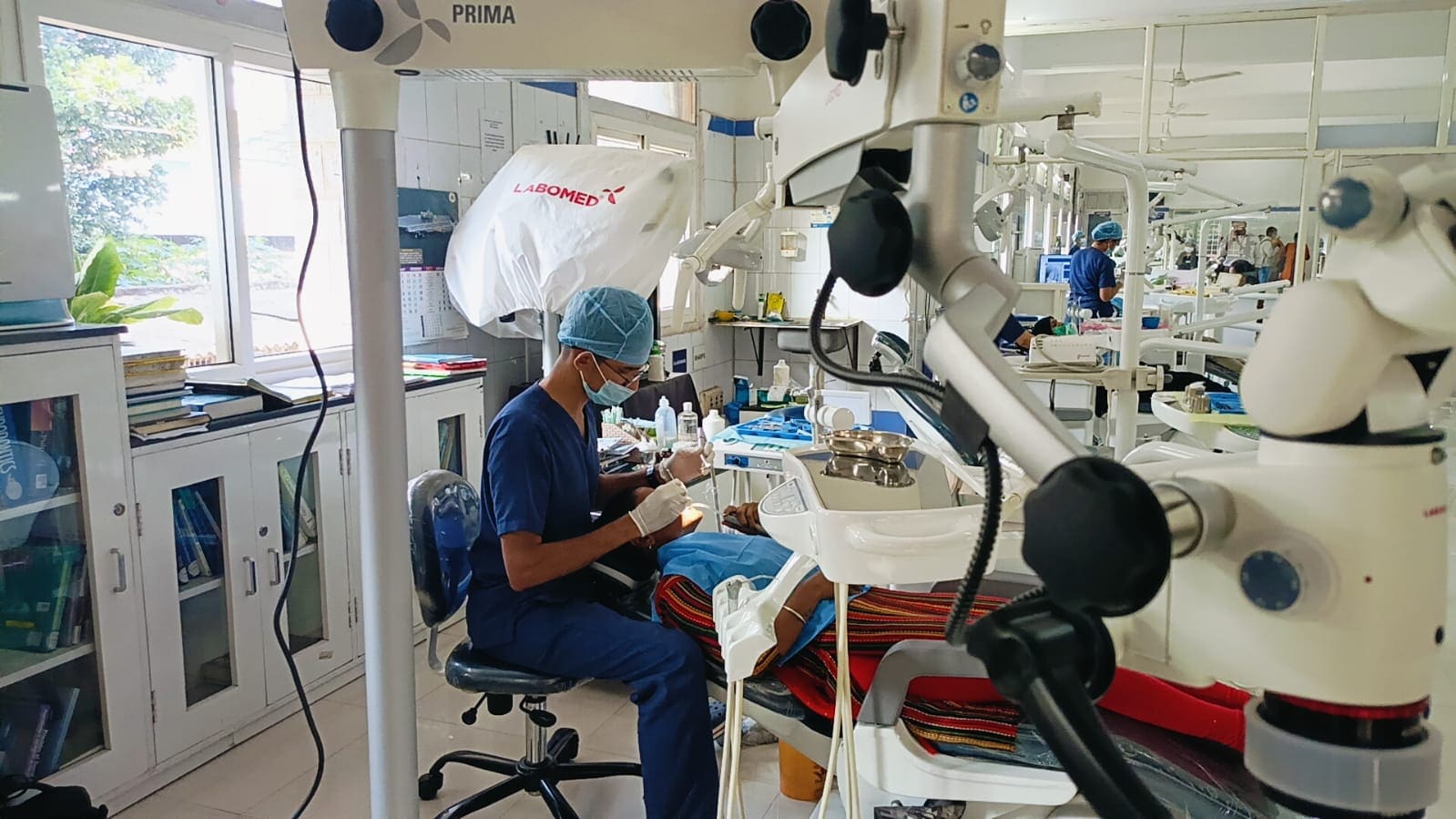
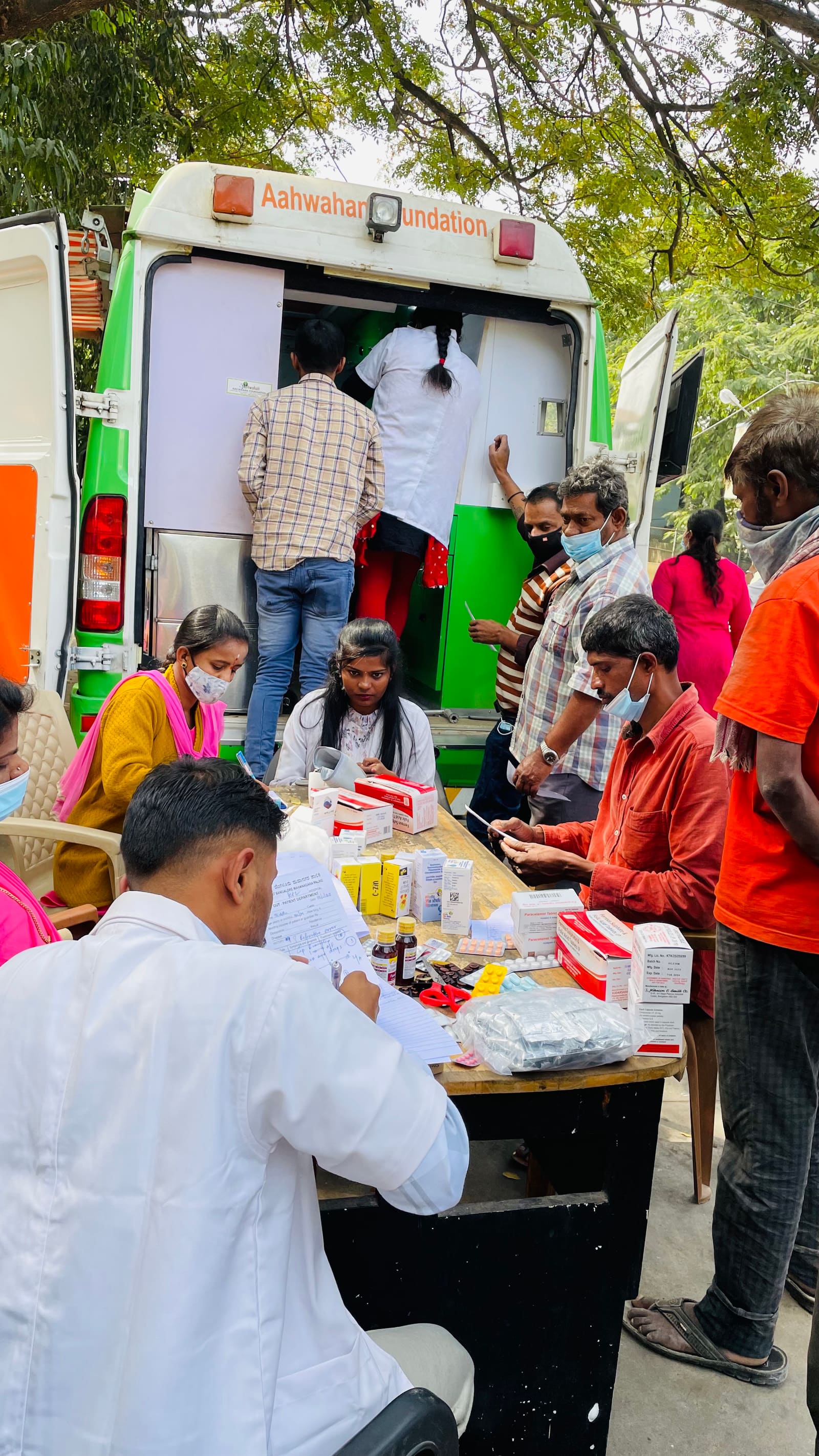
01A fully functional mobile medical facility, carrying a complete medical team into rural areas for cost-effective treatment. General consultation, dental care with an automated chair and X-ray, eye care with auto-refractometer and vision drum, and a laboratory running 68 different arrangements including hematology analyser, centrifuge, laryngoscope, urine analyser, BP and diabetic testing. 1.3 Lakh beneficiaries so far.
8.5 Lakh+
Beneficiaries across India
57+
Hospitals & PHCs adopted
500+
Hospital upgradations
62
NICUs & PICUs established
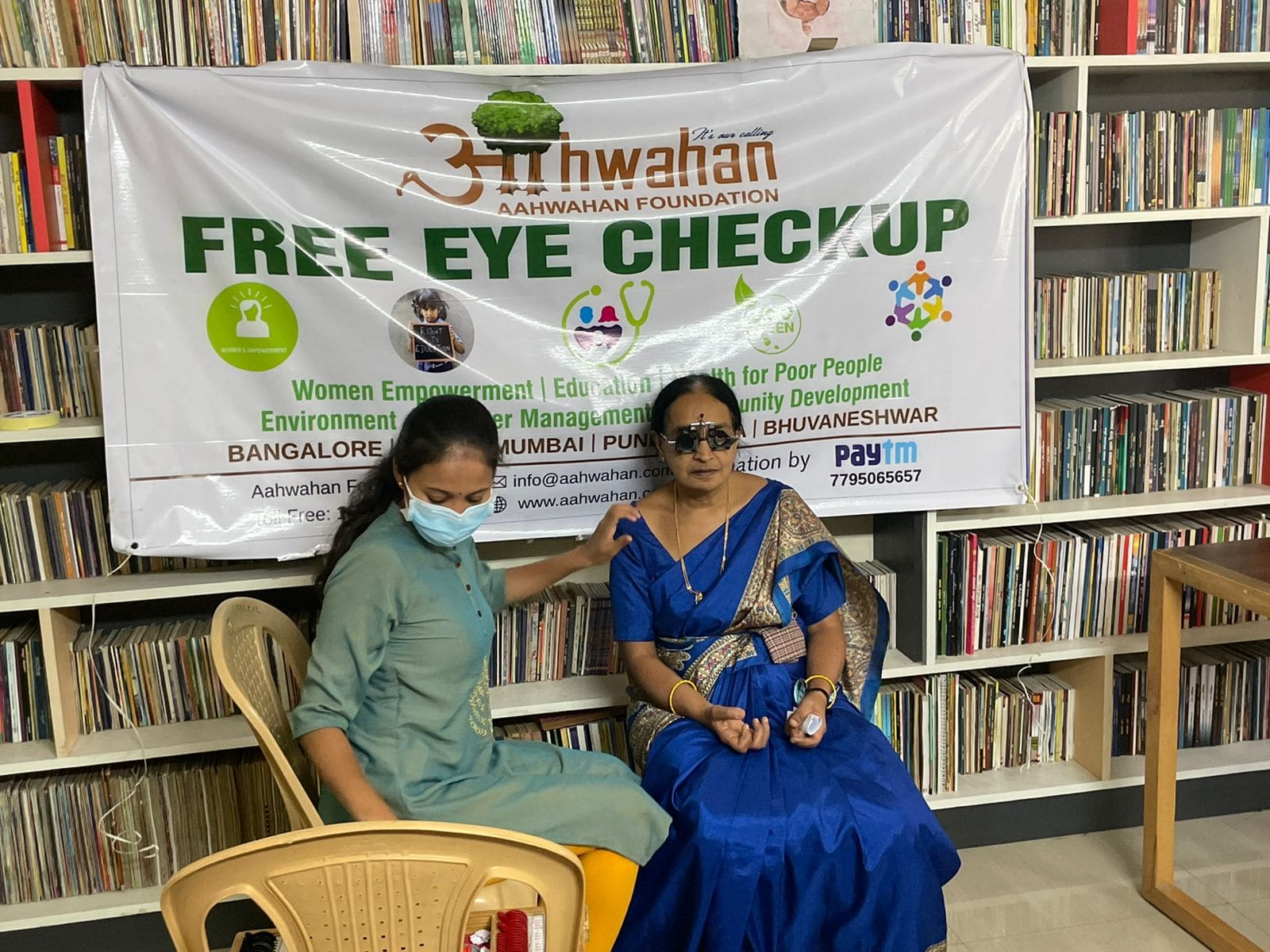
The van found it early. I had put the check-up off for two years because the hospital is a day away.
India is drawing global attention for transformations that have significantly improved standards of living — but that change is largely an urban phenomenon. The rural population continues to suffer economic deprivation, and the emerging health profile in rural areas is a cause for concern. The lack of qualified medical staff and access to basic medicines means poor people in rural areas must travel to cities for treatment; often they delay it, or avoid it, for economic reasons.
Typhoid, diarrhoea, measles, tuberculosis, malaria and respiratory infections remain widespread
Non-communicable disease — blindness, cancer, diabetes, hypertension — is rising alongside
Most adults working agricultural fields are chronically starved
One in ten babies does not make it past the first year of life
Children leave school year on year because of an illness in the family
The cost of a single hospitalisation places the affected family below the poverty line
Recognised by the Economic and Social Council of the United Nations, in partnership with the Global Innovation Exchange.
1Health on Wheels
A fully functional mobile medical facility, carrying a complete medical team into rural areas for cost-effective treatment. General consultation, dental care with an automated chair and X-ray, eye care with auto-refractometer and vision drum, and a laboratory running 68 different arrangements including hematology analyser, centrifuge, laryngoscope, urine analyser, BP and diabetic testing. 1.3 Lakh beneficiaries so far.
 2
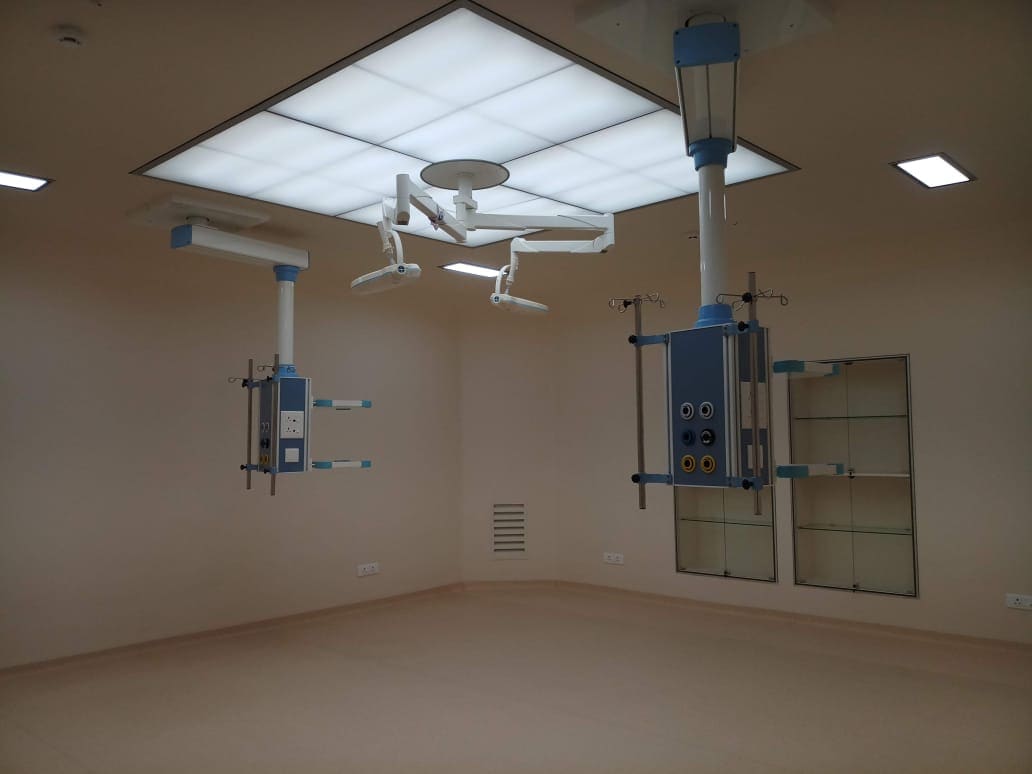
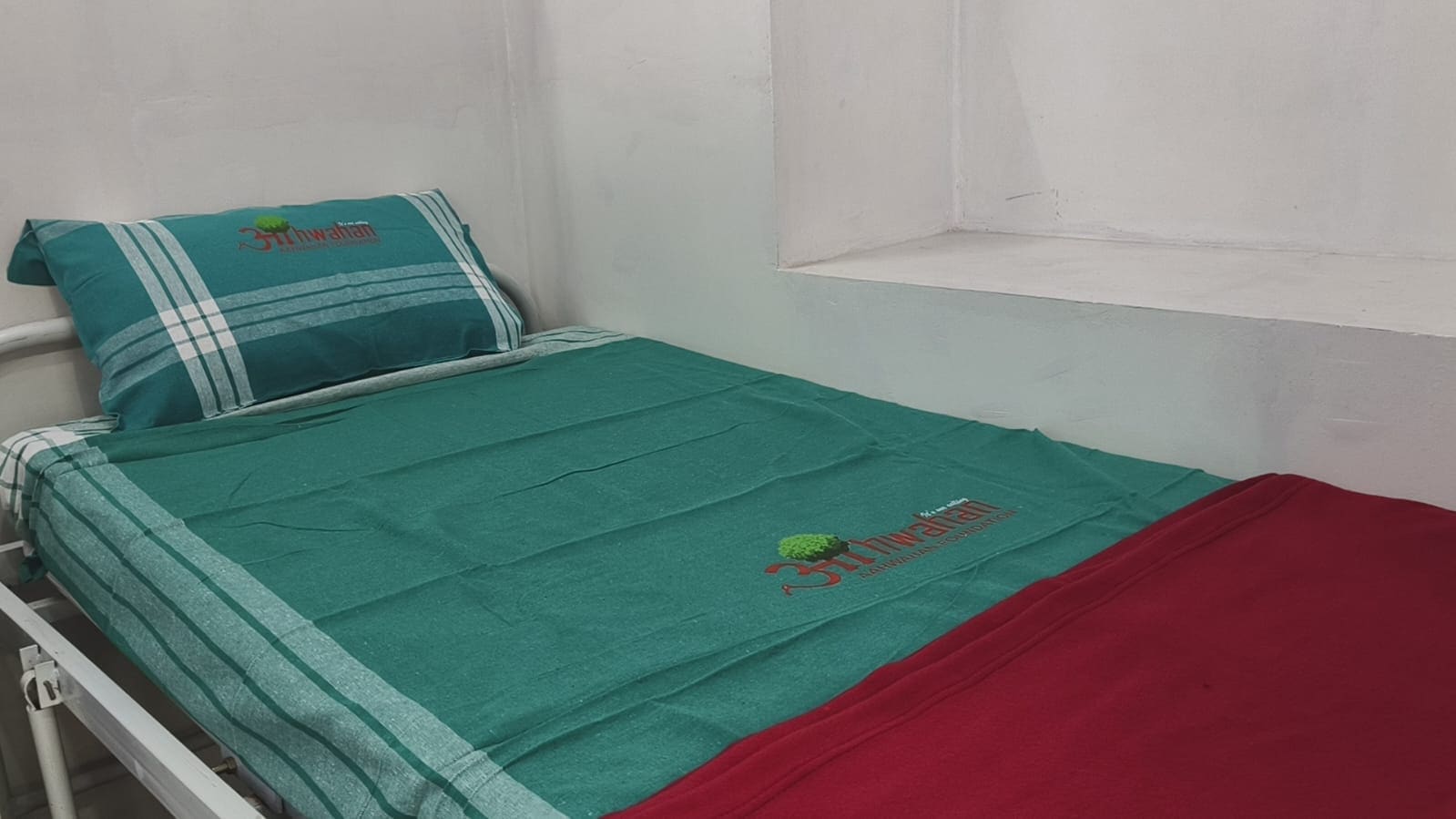
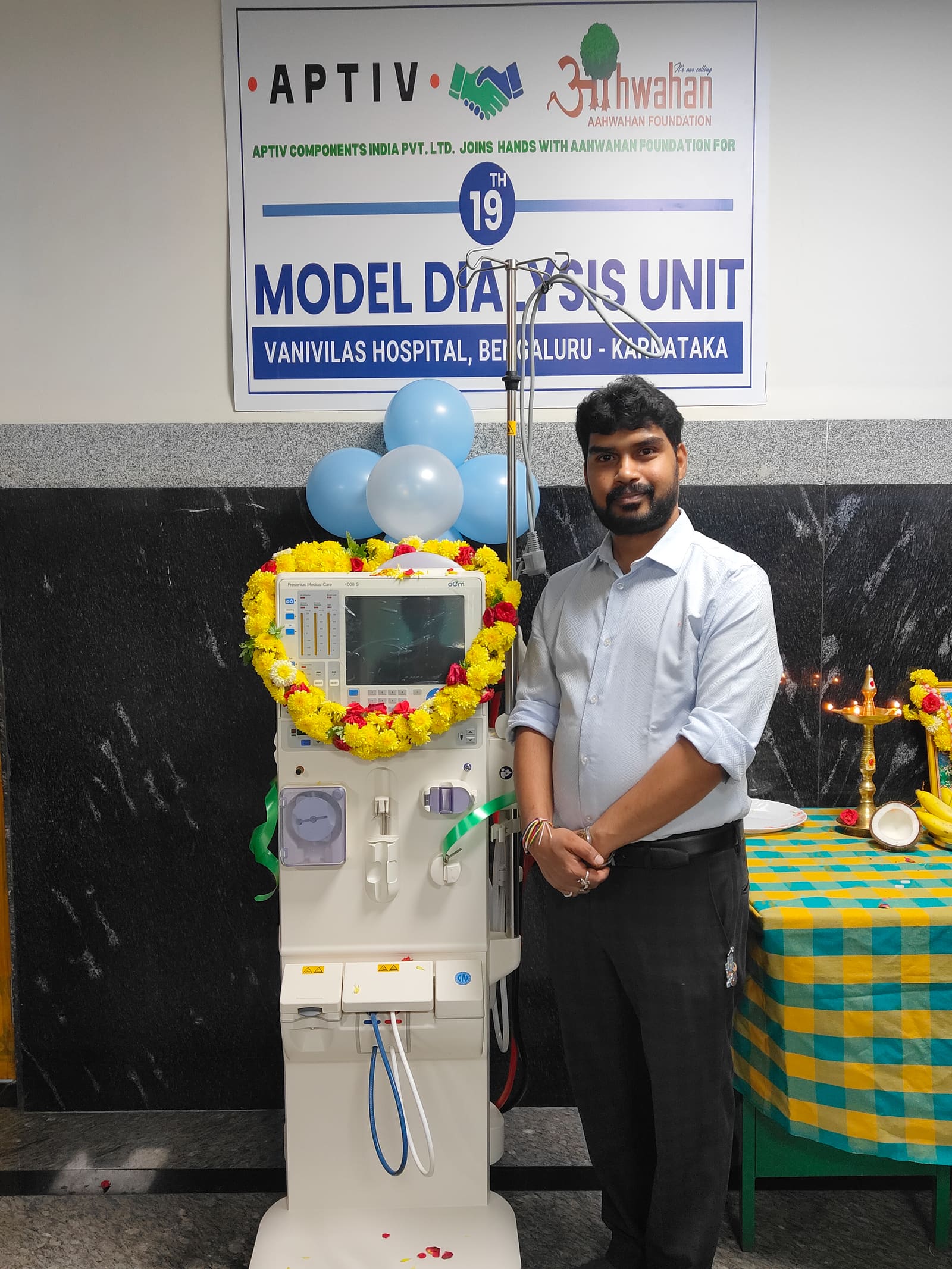
2Government hospital & PHC adoption
Extensive infrastructure construction to modernise existing facilities — remodelling structures, increasing the capacity of healthcare institutions and modernising medical equipment and technology, to build contemporary, fully functional facilities that can meet varied medical needs.
 3
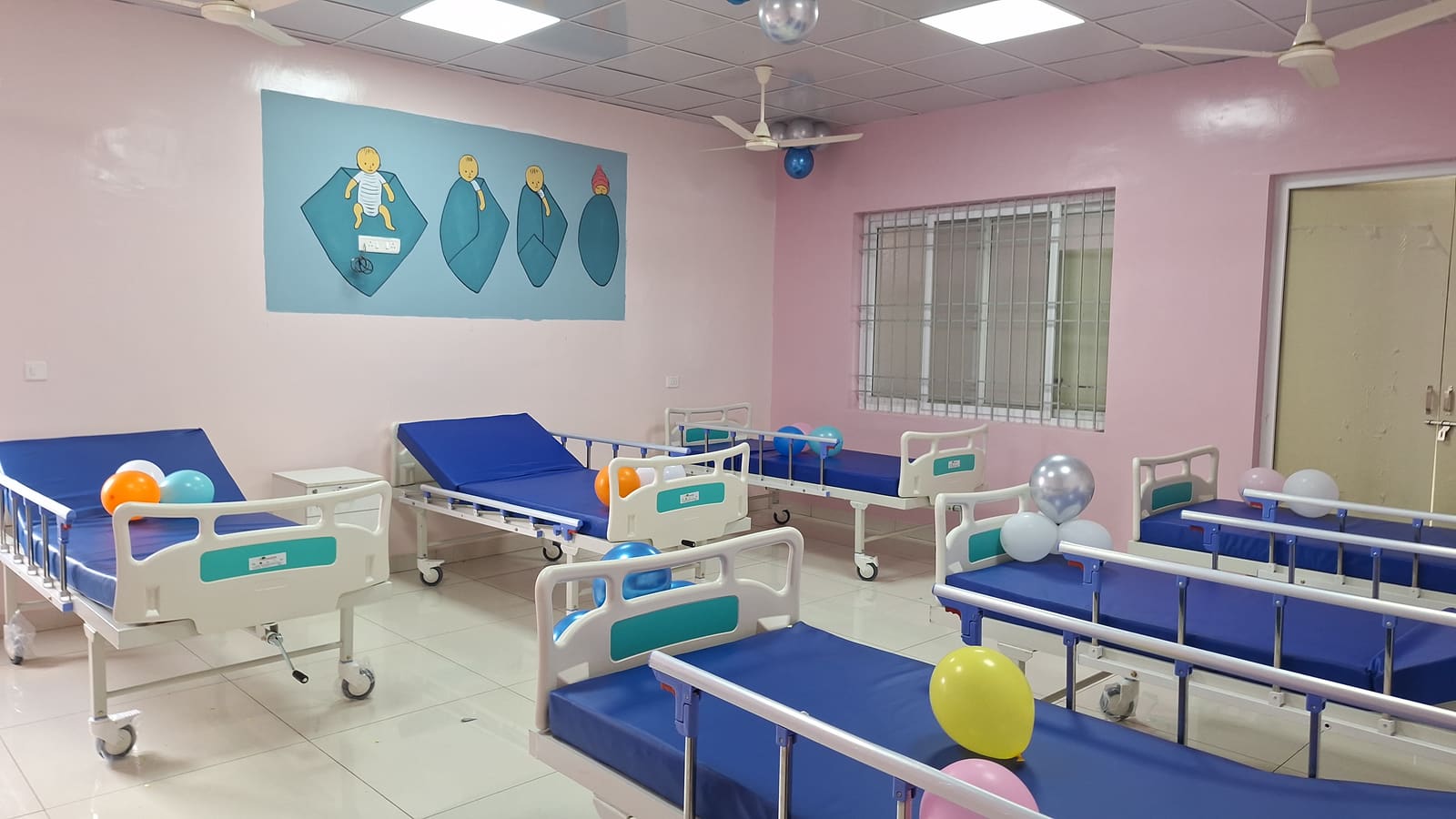
3Maternity hospitals, NICUs and PICUs
As India's population grows, mother-and-child care units are increasingly scarce. More than 42 maternity hospitals have been established to support neonatal health facilities, and 62 NICUs and PICUs set up across India to reduce infant mortality.
 4
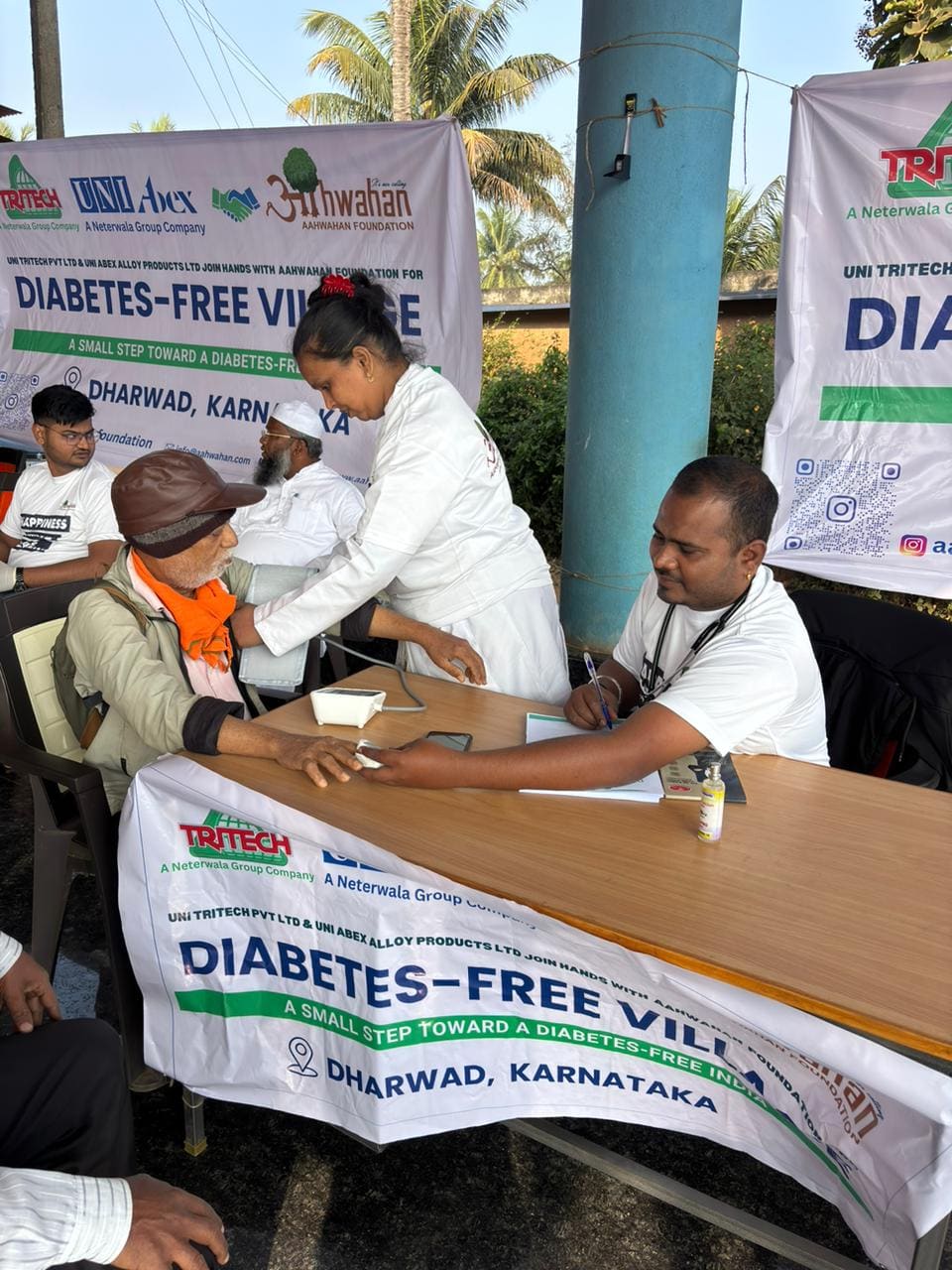
4Diabetic Free Village
Diabetes has become a common lifestyle disease and many people are still unaware of how to manage or treat it. The initiative offers screening, early detection, prevention, treatment, regular check-ups and diabetes kits, moving from one village to the next.
 5
5Manovikas — mobile mental health
Mobile mental health clinics that reach youth and individuals struggling with stress and mental illness, bringing care closer so that help, understanding and support are available when they are needed most.
 6
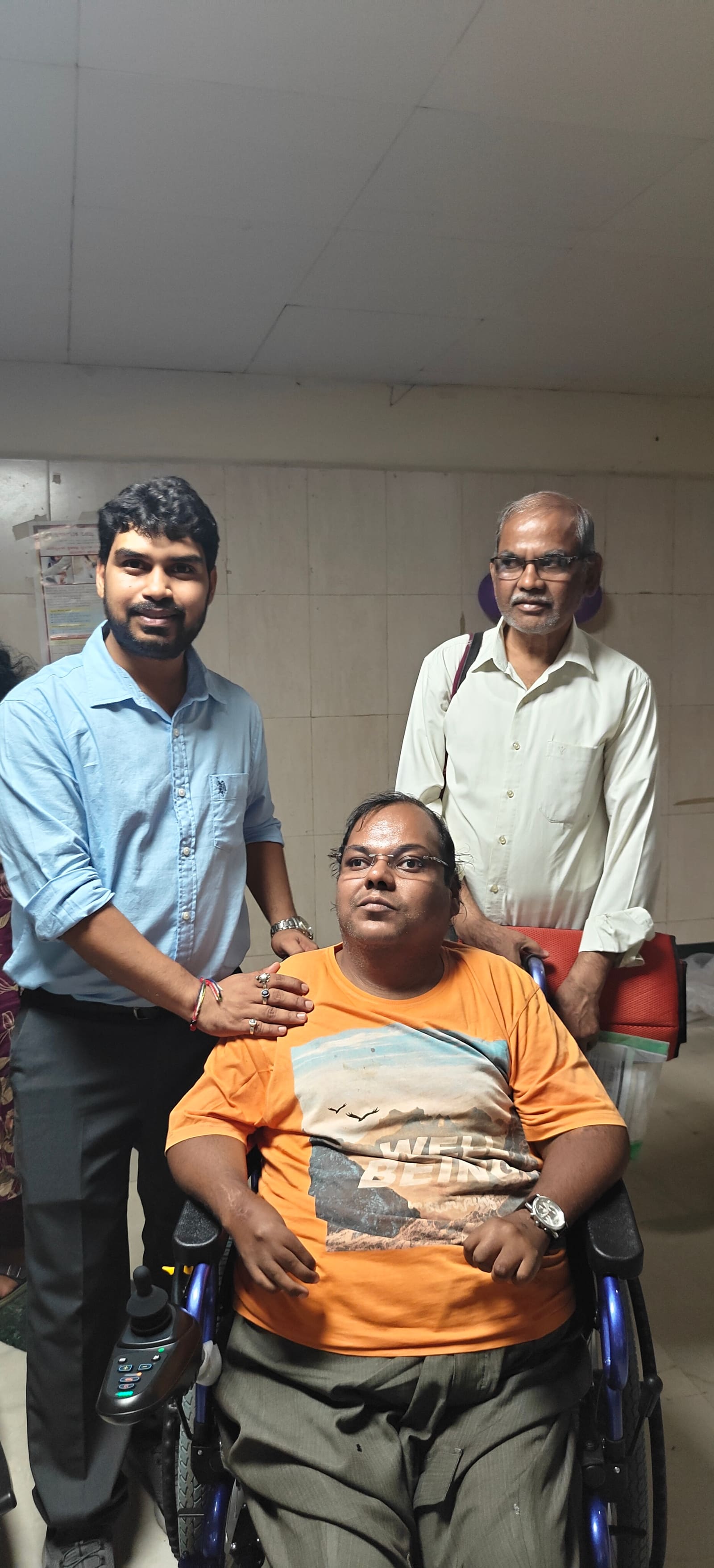
6Sapnon Ke Sawari
For differently abled people who have given up on life but not on their dreams — fully automated wheelchairs for disabled and paralysed people who once thought their life had stopped.
Health · 4 min
A simple test can catch anaemia, diabetes and deficiencies early — here's why every family should make it a habit.
Check out here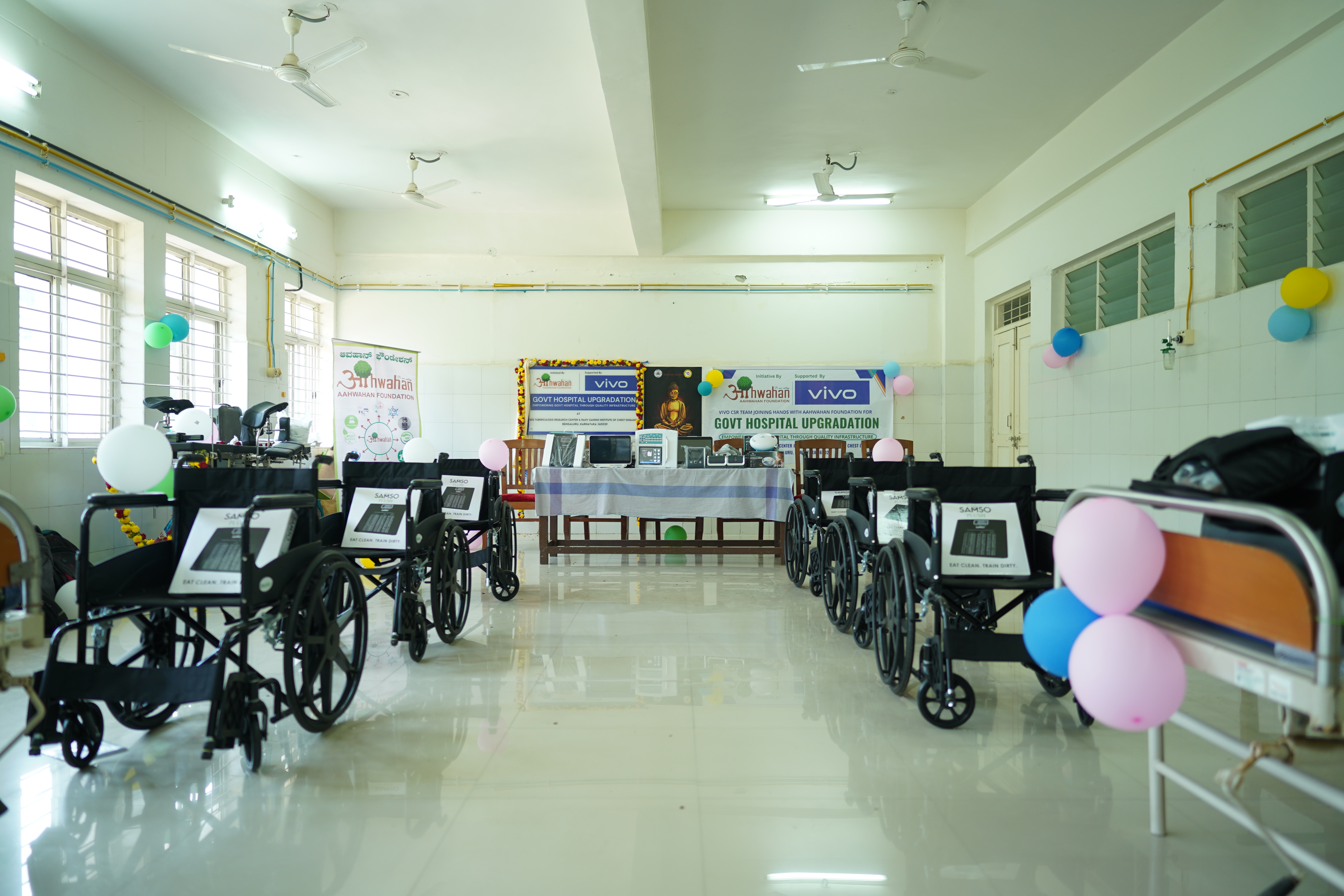
Health · 4 min
Placeholder excerpt for the demo frontend. Real stories and articles will replace this text in the final website.
Check out here
Nutrition · 5 min
Balanced meals shape a child's growth and focus. Simple, affordable swaps that make a big difference at home.
Check out here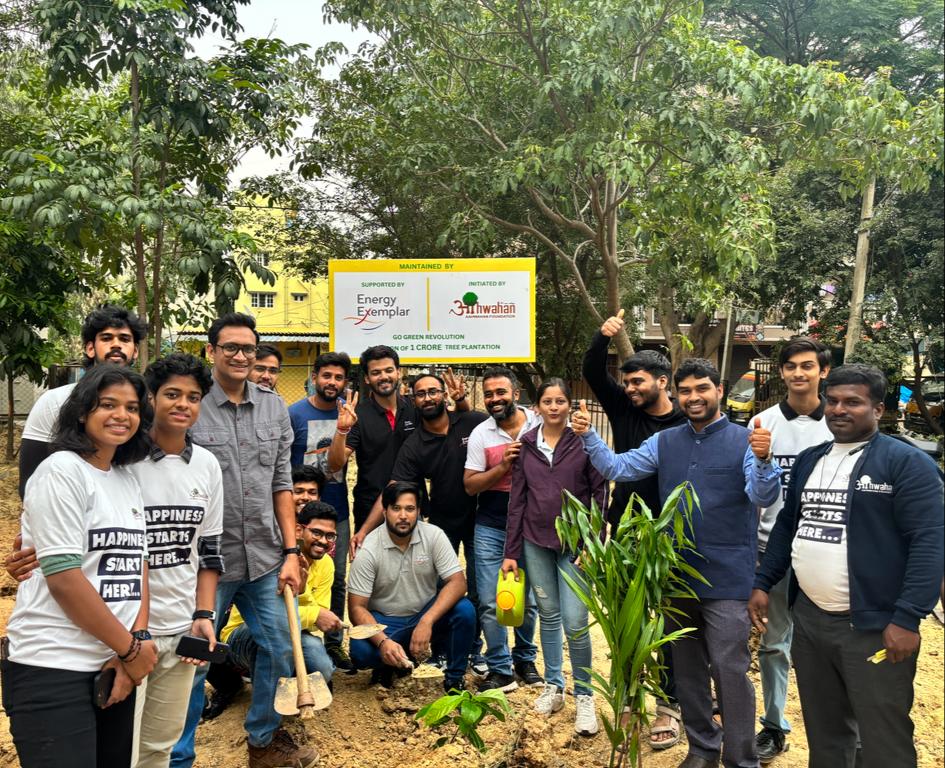
Environment · 5 min
Planting is only the start — real impact comes from nurturing native species that cool cities and revive ecosystems.
Check out here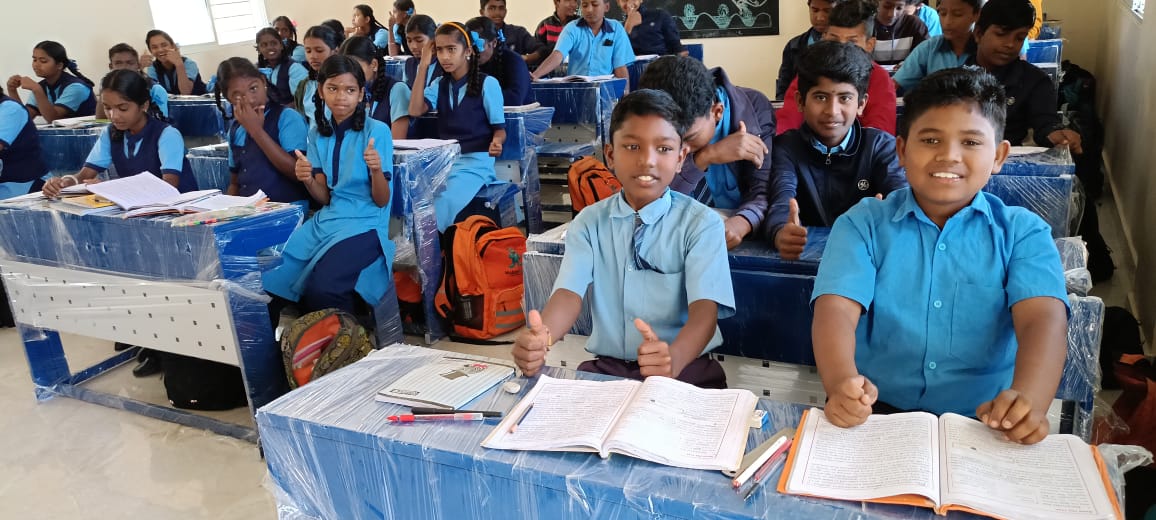
Education · 6 min
Placeholder excerpt for the demo frontend. Real stories and articles will replace this text in the final website.
Check out here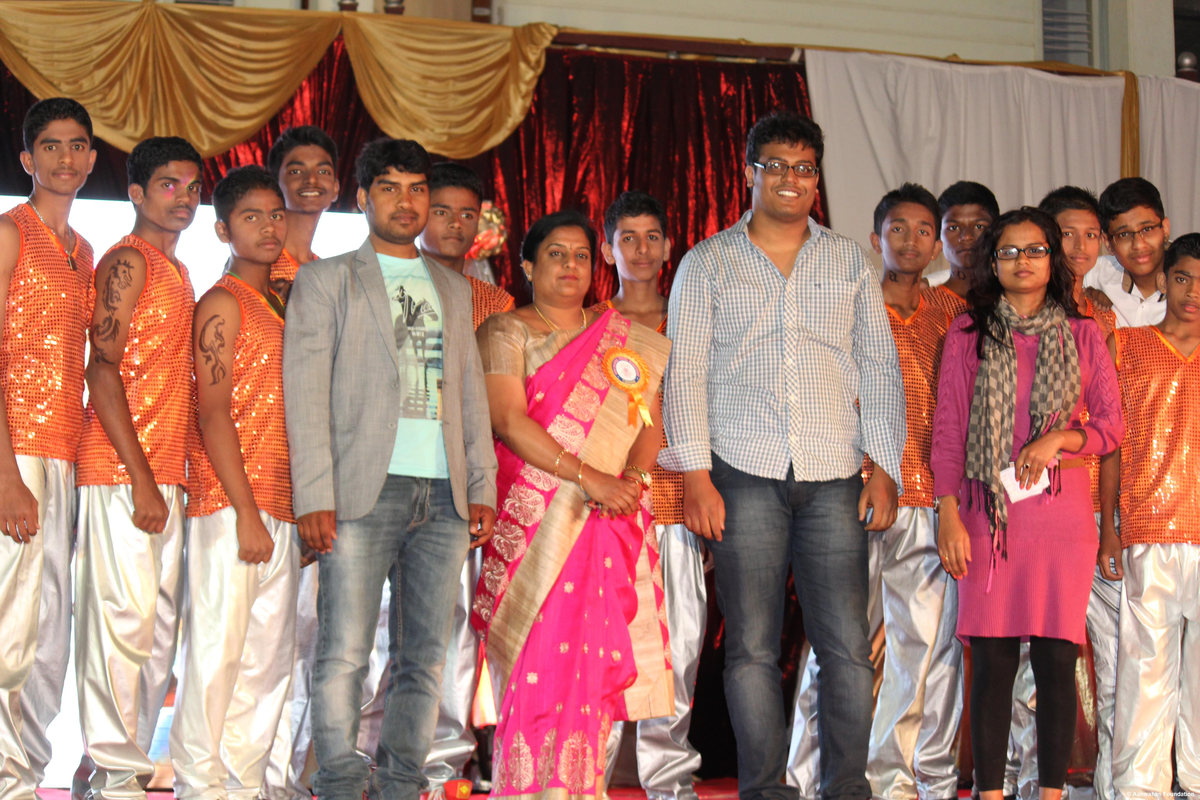
Livelihoods · 7 min
Placeholder excerpt for the demo frontend. Real stories and articles will replace this text in the final website.
Check out hereView our policy
Healthcare is not an act of generosity but a fundamental right. Fund a camp, sponsor a dialysis chair, or upgrade a ward.